In today’s business world, employees are no longer just looking for a paycheck. They are seeking stability, security, and benefits that enhance their overall well-being. Among these benefits, group health coverage stands out as one of the most impactful offerings a business can provide. While some small and medium-sized businesses may hesitate to provide this coverage due to perceived costs or administrative complexity, the advantages far outweigh the challenges. Understanding why every business should offer group health coverage is crucial for fostering a productive, loyal, and engaged workforce.
First and foremost, group health coverage demonstrates that a business values its employees. Offering health insurance is more than a legal or financial consideration—it is a statement of care. When employees see that their employer is willing to invest in their health and well-being, it creates a sense of trust and loyalty. This trust translates into stronger employee engagement, lower turnover rates, and a more positive workplace culture. Employees who feel supported are more likely to go the extra mile, contributing not only to their own success but to the success of the company as a whole.
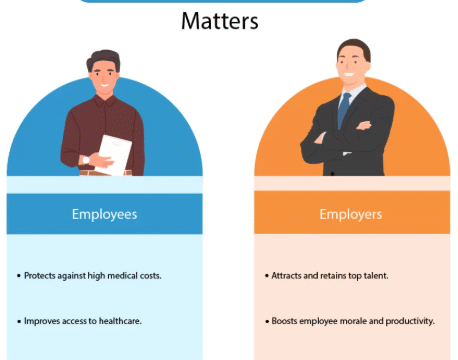
From a practical standpoint, group health insurance provides financial protection for employees. Medical expenses can be overwhelming, and an unexpected illness or accident can be financially devastating. By offering comprehensive coverage, businesses can help alleviate the stress associated with healthcare costs. This security allows employees to focus on their work rather than worrying about how they will pay for doctor visits, prescription medications, or hospital stays. In turn, this focus enhances productivity and reduces absenteeism, directly benefiting the business.
Another key reason to offer group health coverage is its role in attracting top talent. The job market is competitive, and talented professionals often consider benefits packages alongside salary when evaluating job opportunities. Companies that offer comprehensive health insurance are more appealing to prospective employees, giving them a competitive edge in recruiting. This advantage is especially important for small businesses competing with larger corporations that have well-established benefits programs. Offering group health coverage signals that a business is committed to employee welfare, making it an attractive place to work.
Group health coverage also contributes to overall workforce wellness. Many group plans include preventative care services such as vaccinations, screenings, and wellness programs. By encouraging employees to take advantage of these services, businesses can promote healthier lifestyles and reduce the incidence of chronic illnesses. A healthier workforce means fewer sick days, lower healthcare costs, and higher energy levels among employees. This preventative approach is beneficial not only for employees but also for the long-term sustainability of the business.
Financially, group health coverage can also make sense for the business itself. Premiums for group plans are typically lower than what an individual would pay for similar coverage on their own. This economy of scale allows businesses to provide high-quality health insurance at a more affordable rate. Additionally, offering health insurance can provide tax advantages. Contributions to employee health plans are often tax-deductible, and in some regions, businesses may qualify for government incentives or credits when they provide coverage. These financial considerations make group health insurance a smart investment rather than a burden.
Employee retention is another critical aspect impacted by group health coverage. Losing an experienced employee can be costly, both in terms of recruitment and lost productivity. By providing health insurance, businesses can reduce turnover by fostering employee satisfaction and loyalty. Employees who have access to comprehensive benefits are more likely to remain with the company long-term, creating continuity and stability. This stability benefits both the business and its clients, ensuring consistent service quality and maintaining strong professional relationships.
Moreover, group health coverage can enhance the company’s reputation. Businesses that prioritize employee health are viewed more favorably by clients, partners, and the wider community. This positive image can lead to increased trust, stronger partnerships, and even opportunities for growth. In a marketplace where reputation and ethical practices matter, showing that a company cares for its employees can be a powerful differentiator.
Implementing a group health plan does not have to be overly complex. Many insurance providers offer guidance and administrative support, making the process manageable for businesses of all sizes. Employers can choose plans that suit their workforce, considering factors such as cost, coverage options, and additional wellness benefits. Open communication with employees about the available options ensures that they understand and appreciate the value of the coverage, further reinforcing the company’s commitment to their well-being.
It is also worth noting that group health coverage supports diversity and inclusion in the workplace. Comprehensive health benefits can make positions accessible to a broader range of candidates, including those who may have pre-existing conditions or families to support. By reducing healthcare-related barriers, businesses create a more inclusive environment where employees feel secure and valued regardless of their personal circumstances.
Beyond the immediate financial and practical benefits, offering group health coverage fosters a sense of community within the organization. Employees are more likely to collaborate effectively and support one another when they know that the company genuinely cares about their health and welfare. This sense of shared commitment can improve teamwork, morale, and overall organizational performance. In essence, group health insurance is an investment in both people and culture, reinforcing the values that make a business resilient and thriving.
In conclusion, the reasons for offering group health coverage are compelling and multifaceted. It signals that a business cares about its employees, provides financial and medical security, attracts and retains talent, promotes wellness, and can even enhance financial efficiency and reputation. The benefits extend beyond individual employees to the organization as a whole, creating a stronger, more dedicated workforce and fostering a positive workplace culture. For businesses looking to succeed in today’s competitive landscape, offering group health insurance is not just a perk—it is a strategic and essential investment. By prioritizing employee health, companies are investing in their own future, ensuring that both employees and the business itself can thrive.